What is happening in Jūrmala’s exhibition halls?

Jūrmala’s exhibition venues offer a diverse programme of art and culture year-round. They present contemporary art exhibitions and displays that highlight the resort town's history and the stories of notable personalities. The exhibition venues are located in historic wooden buildings, structures built in the second half of the 20th century, and in an example of post-war modernist architecture – Dubulti Art Station. Jūrmala’s museums and galleries regularly host both Latvian and international artists. Together, they form a dynamic cultural space with a broad perspective on artistic processes and the city’s identity.
Jūrmala Museum (Tirgoņu iela 29, Majori)
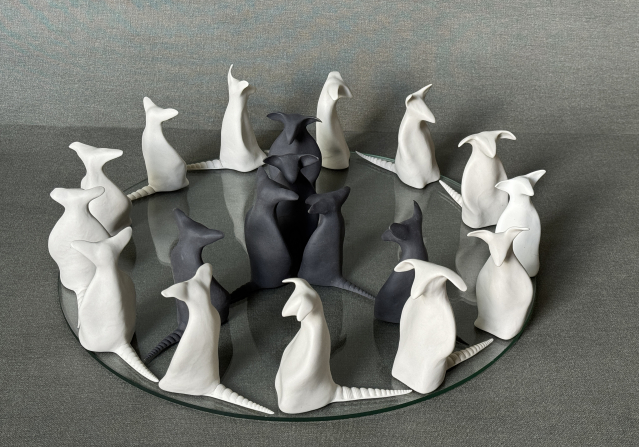
- The Latvian Ceramics Association exhibition “Mailing List” (18.09.–01.11.) – the exhibition brings together more than 60 Latvian ceramic artists and explores the idea of a message and its diverse manifestations in contemporary ceramics. Each work offers an individual interpretation of the theme, prompting reflection on the transience of a message, its capacity to endure and its emotional significance. The exhibition is complemented by “Student Mailing List” in the museum’s Fireplace Hall, presenting works by emerging ceramic artists from the Art Academy of Latvia.
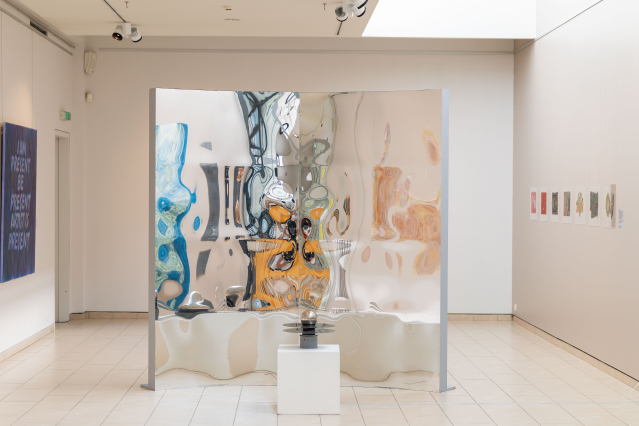
- “In Flow” (03.07–13.09.) – an international contemporary art exhibition at the Jūrmala Museum that invites visitors to reflect on invisible processes such as intuition, consciousness, memory, encounters, transformation, and the inner flow of human experience. The exhibition brings together 23 Latvian and international artists from different generations, working across a wide range of media, including painting, graphic art, sculpture, glass and textile art, video, and installation. Inspired by Carl Gustav Jung’s ideas on the collective unconscious and the individual path of spiritual development, the exhibition also explores contemporary questions of mindful presence, human connection, and the ability to perceive the world beyond what can be rationally measured. Rather than offering definitive answers, In Flow encourages visitors to pause, ask questions, and engage with the experience of art.

- The audiovisual space “A Holidaymaker on the Way to Jūrmala” (until 14.02.2027) – an exhibition that invites visitors to experience the emotionally charged journey to the resort town across different eras – from horse-drawn carriages and steamboats to railway travel. Through sound, image and spatial scenography, the exhibition allows visitors to immerse themselves in the atmosphere of a historic journey and, through sensory experience, encounter the long-awaited sea.
Jūrmala Culture Centre (35 Jomas Street, Majori)
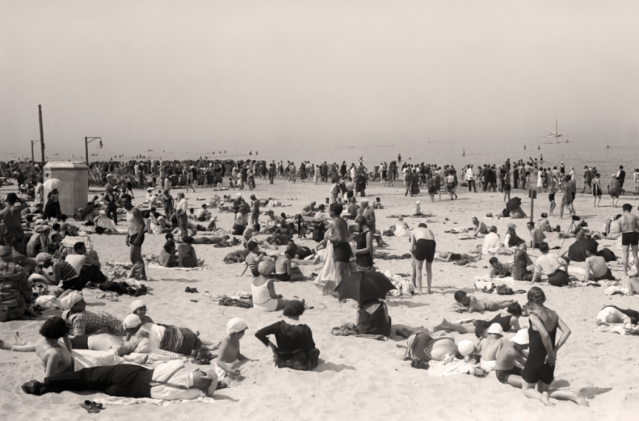
- Kaspars Migla’s photography exhibition A Walk Through Beautiful Jūrmala (until 7 September) – the exhibition invites visitors on a visual journey through Jūrmala of the first half of the 20th century, revealing the resort town as a vibrant, elegant and diverse destination. The photographs capture beach promenades, bathing establishments, sanatoriums, railway stations, cafés, concert gardens, boat piers, Ķemeri Park and the lively atmosphere of Jomas Street. Using the augmented reality app Old Jurmala, historical images are brought into dialogue with the present-day cityscape, offering an opportunity to see how Jūrmala has changed while preserving its unique resort character.
Bulduri Exhibition House (Muižas iela 6, Bulduri)
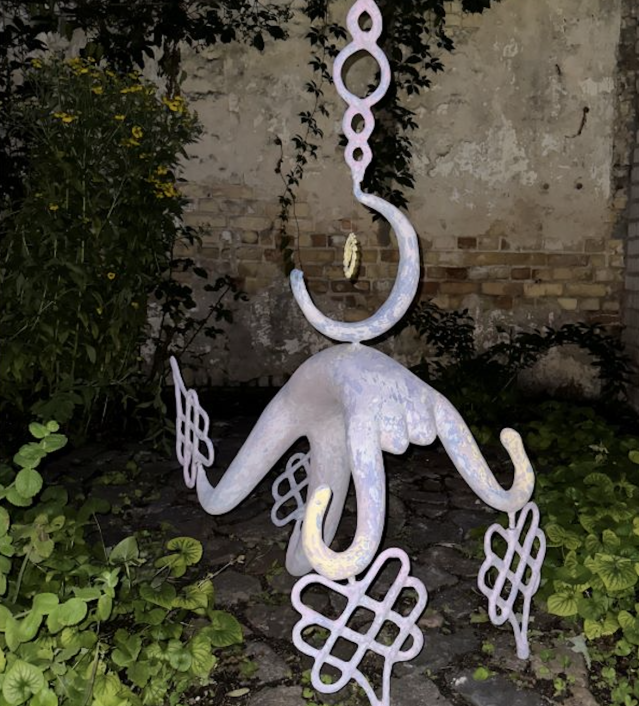
- Anna Egle’s solo exhibition “Solar Plexus” (17.09.–07.11.) – the sculptor’s latest series, in which abstract and symbolically precise forms intertwine with imagery drawn from the subconscious. The works are inspired by the aesthetics of Latvian folk songs, the Latvian landscape and the human body. The exhibition continues the creative exploration begun in the sculptural cycle “Three Times Nine”, focusing on connection, interweaving and wholeness. Created in Latvia, Vilnius and California, the works combine carefully developed ideas with an intuitive exploration of form. Here, the solar plexus becomes a symbolic meeting point where sensations, experiences and memories converge into a whole.
- “Latvian Seaside Flowers: The Poetic Landscape of Katrīna Reinovska at the End of the 19th Century” (09.07.–13.09.) – an exhibition dedicated to Bulduri resident Katrīna Reinovska (1845–1923), the first Latvian woman poet whose poems were published as a separate book. Her collection “Latvian Seaside Flowers”, published in 1875, became an important precursor to women’s entry into Latvian literature. The exhibition is conceived as a symbolic “poet’s room”, where the aesthetics of the late 19th century, poetic imagery, proximity to the sea and the legacy of a fishing family invite reflection on what it means to be the first.
- Visitors also have the opportunity to look into the studio and creative world of Jūrmala’s art legend Valdis Bušs (1924–2014), one of the most outstanding Latvian landscape painters of his time.
Aspazija House (Z. Meierovica prospekts 18/20, Dubulti)
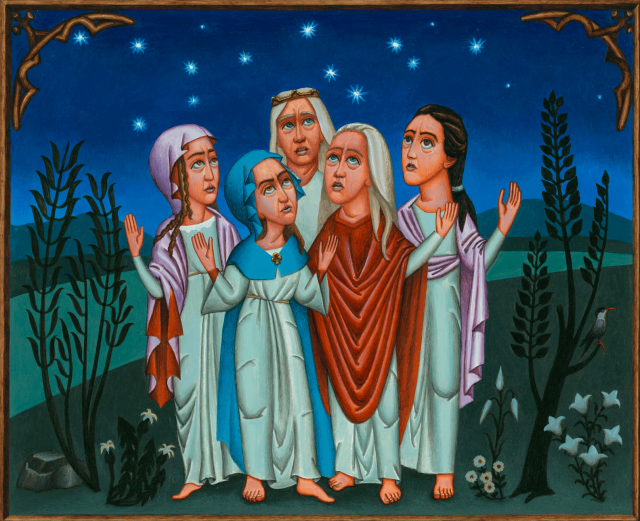
- Robert Rūrāns’ exhibition “Isildur’s Curse” (9 October 2026–16 January 2027) – inspired by J. R. R. Tolkien’s The Lord of the Rings, the artist explores the inner conflict between the desire to do good and the temptation to give in to one’s weaknesses. This is reflected in Plato’s allegory of the chariot and in Frodo’s journey: the mercy he showed Gollum becomes decisive for the fate of Middle-earth. The exhibition reminds us that even seemingly small acts of kindness can have an unexpectedly great impact. Robert Rūrāns (b. 1990) is an artist and illustrator, a graduate of the Graphic Art Department of the Art Academy of Latvia, and a co-founder of the design studio “Overpriced”. His work has been created in collaboration with The New York Times, Apple, NATO, the Olympic Games and Hermès.
Rainis and Aspazija Summer House (Pliekšāna iela 5/7, Majori)
- Maretta Staprāne-Bārlova’s exhibition “LAIMA. RAIMONDS: Portraits of Family Happiness” (until 19 October) – an interdisciplinary exhibition bringing art and neuroscience together. At its centre are 27 members of the Staprans family spanning four generations. The portraits combine each person’s appearance with memories, personally meaningful music, favourite colours and places, and brain activity recorded using EEG. The EEG data are not used to measure happiness scientifically; instead, they are transformed into visual parameters that shape the structure, intensity, detail and sharpness of the works. The exhibition connects Raimonds Staprans’ artistic legacy with a new generation’s perspective on family, identity and the experience of happiness.
Dubulti Art Station (Zigfrīda Meierovica prospekts 4, Dubulti)
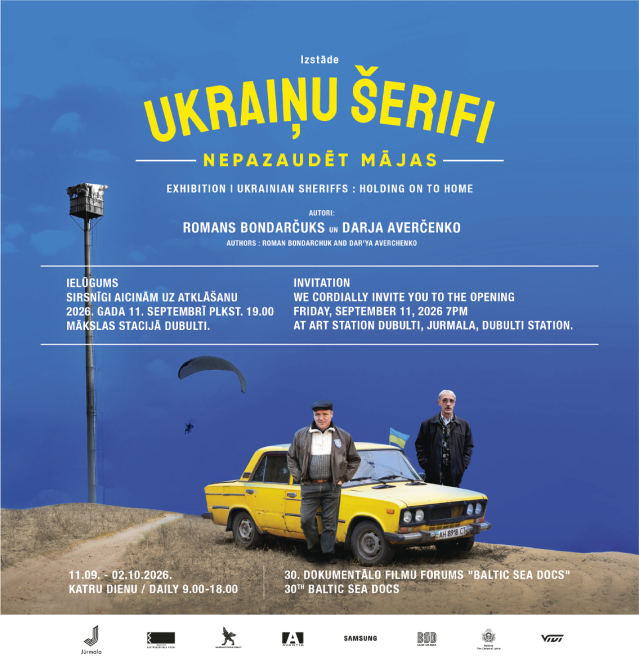
- Exhibition “Ukrainian Sheriffs. Not to Lose Home” (11 September–2 October) – an exhibition by film director Roman Bondarchuk and Darya Averchenko exploring the Ukrainian village of Stara Zburjivka and its residents. The story centres on village mayor Viktor Maruniak and two local peacekeepers, known as the “village sheriffs”, whose daily lives Bondarchuk documented shortly before and after the occupation of Crimea. Combining previously unseen video diaries, materials from the Ukraine War Archive and excerpts from the documentary Ukrainian Sheriffs (2015), the exhibition reflects on community self-organisation, displacement caused by war and the struggle to maintain a connection with home.
Jūrmala Central Library (Strēlnieku prospekts 38, Dubulti)
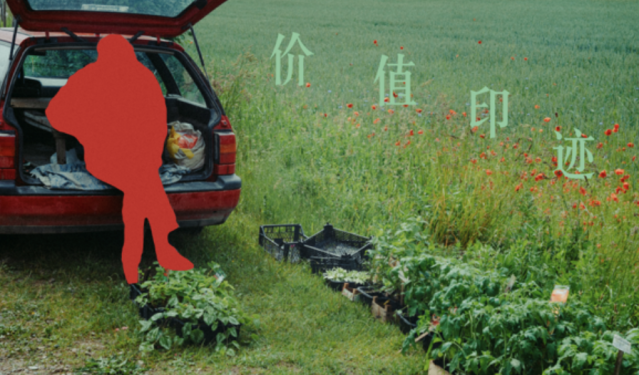
- “Testimonies of Values: A Latvian–Chinese Intercultural Contemporary Photography Exhibition” (3–29 October) – the exhibition creates a visual dialogue between the cultural landscapes of Latvia and China. It brings together works by six young photographers, exploring cultural heritage, memories and rituals, people, and their relationship with place. The photographs are accompanied by poetry by Agnese Gabriela Celma, who writes under the pen name Gabrielle Ciméri. The poems were written in English and are also presented in Latvian translation.
Gallery Bastejs (Skultes iela 10, Priedaine)
- Arturs Akopjans’ exhibition “Joe of Abstract” (05.09.–11.10.) – the exhibition approaches abstract painting as a visual language in its own right, in which the intensity of colour, composition and rhythm take precedence. The artist seeks a balance between spontaneous gesture and deliberate structure, drawing inspiration from everyday events and chance observations – a dog encountered in passing, a figure in the street or a view of his worktable. The paintings become records of the interaction between artist, material and time, addressing the viewer through colour, space and atmosphere rather than a specific narrative.
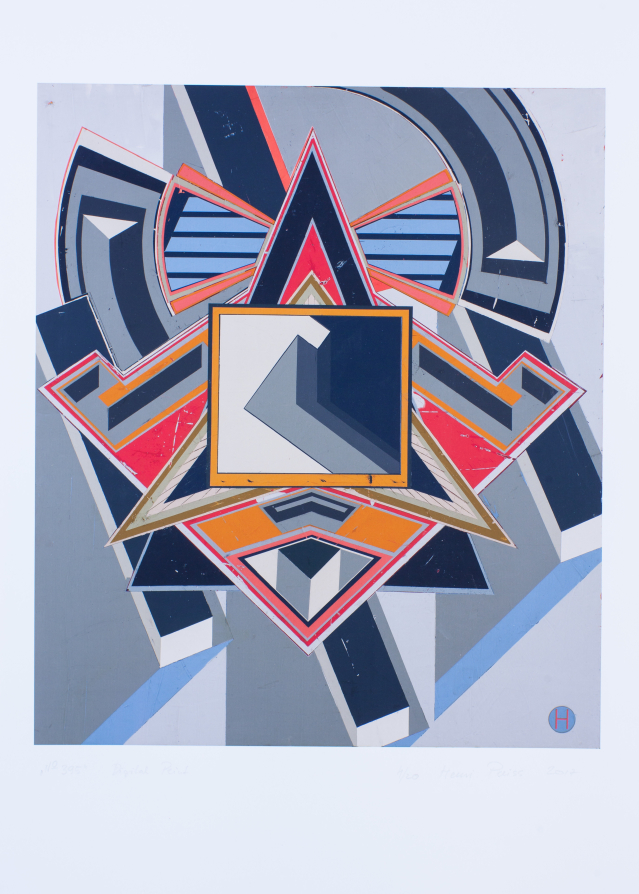
- Henri Preiss’ exhibition “On Paper” (05.09.–11.10.) – an exhibition of digital prints by the Latvian artist based in the United States, created from works shown at Gallery Bastejs in the 2017 exhibition “De Synthesized”. The works bring together traces of different cultures, the artist’s family heritage and a contemporary visual language. The title refers to the concept of synthesis and electronic music, highlighting the interplay between cultural memory, personal experience and visual elements.
Open-Air Exhibition “Dzintari Concert Hall – 90” | Square by Dzintari Concert Hall (Turaidas Street 1)
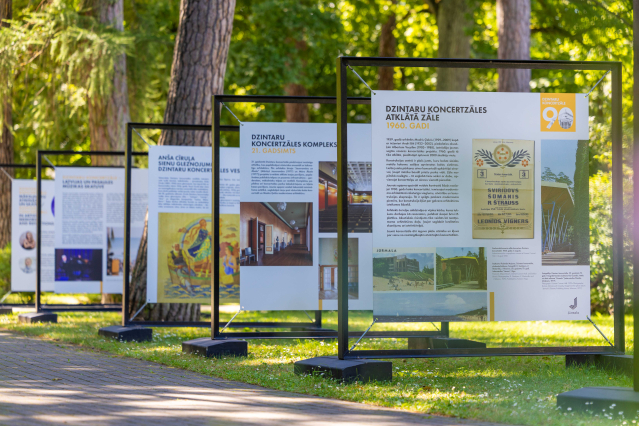
Until 31 October, the square by Dzintari Concert Hall hosts the open-air exhibition “Dzintari Concert Hall – 90”, tracing the venue’s development over more than a century – from the entertainment garden of the Edinburgh Kurhaus, with its balls, operettas and variety performances, to a major centre of symphonic music. The exhibition also follows the architectural evolution of the concert hall: the historic hall built in 1936, featuring wall paintings by Ansis Cīrulis, the modernist summer concert hall opened in 1960, and the additions introduced in the 21st century. Historical photographs and documentary materials reveal Dzintari as a place where resort culture, music and architecture have together shaped one of Latvia’s most recognisable cultural landmarks.